

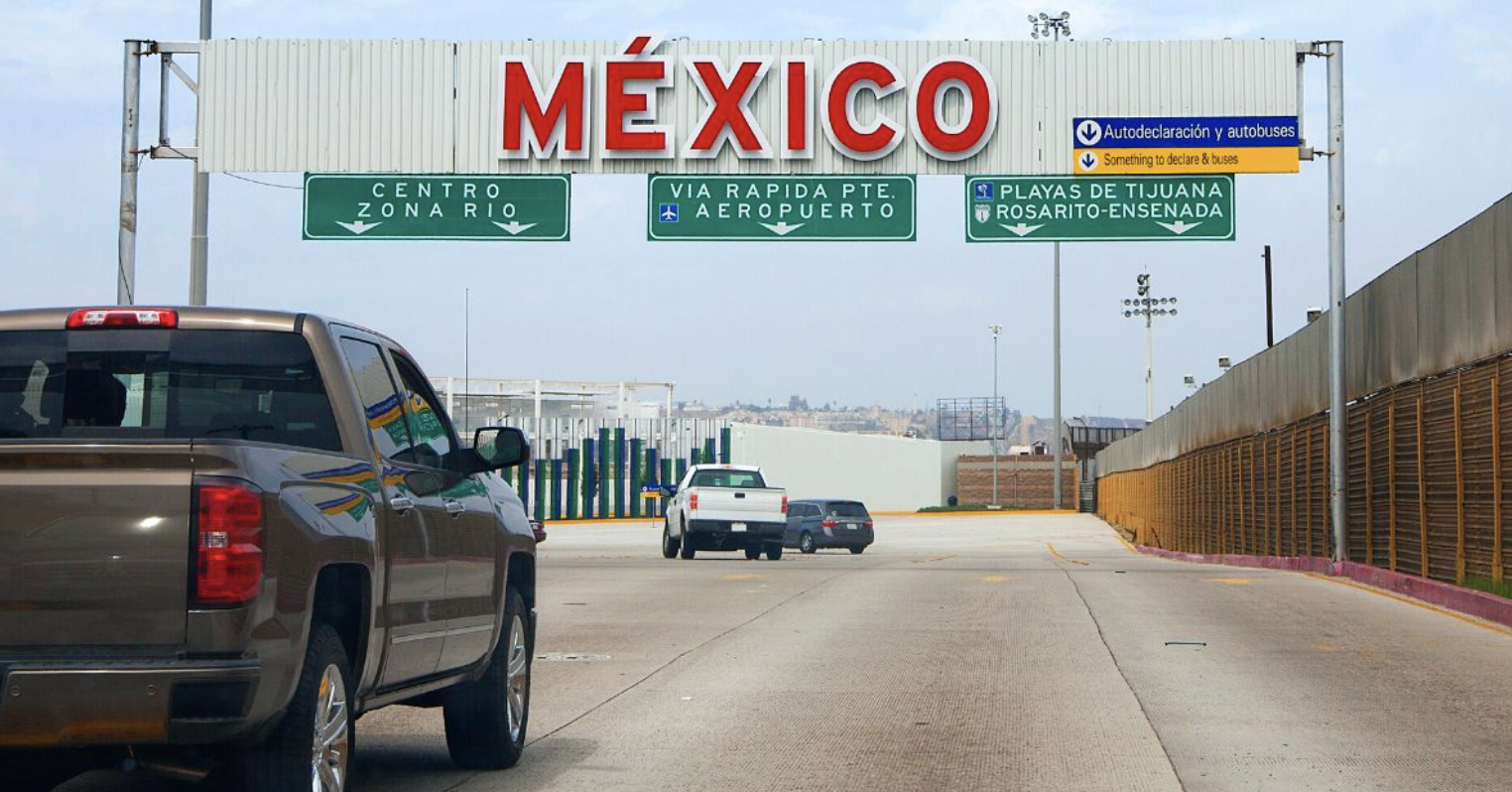
Whether you’re moving to Mexico, heading to your winter home, or planning a road trip adventure, driving to Mexico can be an incredible experience—as long as you know the rules, routes, and safety protocols. This guide breaks everything down: the documents you need, the safest border crossings, what to expect at checkpoints, and road-safety tips once you’re inside Mexico.
1. Can You Drive to Mexico? Yes—But You Need the Right Documents
Before hitting the road, make sure you have all the required paperwork.
Required Documents
- Valid passport
- Valid U.S. or Canadian driver’s license (international license not required)
- Temporary Vehicle Import Permit (TIP) if driving beyond the border zone
- Mexican Auto Insurance (your U.S./Canada policy is not valid)
- Vehicle registration
- Title or notarized letter if the vehicle is financed or leased
You’ll also want:
- Copies of all documents
- Printed reservation for where you’re staying
- Phone with offline maps
2. Do You Need a Temporary Vehicle Import Permit (TIP)?
A TIP is required if you plan to drive outside the Free Zone:
- 20–26 km from the border
- All of Baja California
- Parts of Sonora
Driving without a TIP in restricted areas can lead to your vehicle being confiscated.
Where to Get Your TIP
- Online through Banjercito
- At the border at a Banjercito kiosk
What You Need
- Passport
- Driver’s license
- Vehicle registration
- Credit card
The TIP is valid for as long as your residency/tourist permit is valid. You must cancel it when you leave Mexico—don’t skip this step.
3. Safest Border Crossings to Enter Mexico
While all major border crossings are operational, some are consistently considered smoother, faster, and safer for travelers.
Most Recommended Crossings (2025)
Texas
- Laredo – Colombia Bridge (Puente Colombia / Laredo III)
Clean, organized, lower traffic, fewer commercial trucks. - Laredo – Juárez Lincoln Bridge (Bridge II)
Popular with expats; very direct. - McAllen / Hidalgo – Reynosa
Well-patrolled and efficient.
Arizona
- Nogales – Mariposa (Truck Route)
Easiest access into Sonora and onto Hwy 15D.
California
- Calexico East – Mexicali II
Quicker and less chaotic than San Ysidro.
These crossings connect directly with toll highways (cuotas), which are highly recommended for long-distance travel.
4. Toll Roads vs. Free Roads: Always Choose the Cuotas
Mexico has two types of highways:
- Cuotas (toll roads) – safer, well-maintained, patrolled by the Green Angels
- Libres (free roads) – more potholes, local traffic, slower, more hazards
Always use toll highways whenever possible.
They’re faster, safer, and offer better emergency services.
5. Safety Tips for Driving in Mexico
Driving in Mexico is safe when you follow practical precautions.
⏱ Travel Only During the Day
Avoid driving after dark outside major cities.
🚗 Stick to Toll Highways (Cuotas)
They have:
- Fewer hazards
- Better lighting
- Faster emergency response
⛽ Fuel Up Frequently
Rural stations can be far apart. Aim for half a tank minimum at all times.
🔧 Know the Green Angels (Ángeles Verdes)
A free highway roadside assistance service
Dial 078 in Mexico
They can:
- Change tires
- Provide gas
- Do minor repairs
- Call a tow truck
💵 Carry Cash for Tolls
Most toll booths still do not accept credit cards.
300–800 pesos is usually enough for each major highway segment.
🚨 Expect Military & National Guard Checkpoints
These are normal and typically polite.
You’ll be asked:
- Where you’re coming from
- Where you’re going
- What’s in the car
Remain calm and respectful.
6. Driving Through Mexican Cities: What to Expect
Topes (speed bumps)
Mexico LOVES speed bumps. Some are unmarked—slow down entering towns.
Left-Turn Signals
A flashing left signal can mean:
- The driver ahead is turning left
- OR they’re signaling you that it’s safe to pass
Proceed with caution and never assume.
Gas Stations (Pemex and others)
- Attendants pump the gas
- Say your amount clearly
- Pay in cash or card
- Tip 5–10 pesos
7. Overnight Stops: Best Places to Stay on Long Routes
If you’re driving deeper into Mexico, plan your route and overnight stops in advance.
Popular Safe Stops for Long Drives
- Monterrey
- Saltillo
- Torreón (in well-rated hotels only)
- Hermosillo
- Los Mochis
- Culiacán (only in major hotel zones)
- Mazatlán
- San Luis Potosí
- Querétaro
Always stay in:
- Secure hotel zones
- Hotels with gated parking
- Well-reviewed chains like City Express, Holiday Inn, One, Fiesta Inn
8. Bringing Pets to Mexico
You can drive with pets without much hassle.
You may be asked for:
- Proof of vaccinations
- Health certificate (often not required at land borders anymore)
Always bring:
- Water
- Bowls
- Leash
- Pet carrier
9. Returning to the U.S. or Canada
When leaving Mexico:
- Cancel your TIP at Banjercito
- Keep your receipt
- Ensure no accidental overstays
Returning to the U.S. is usually quick at land borders, but expect waits during holiday seasons.
10. Final Tips for a Smooth Road Trip to Mexico
✔ Use toll roads
✔ Drive only during daylight
✔ Get real Mexican auto insurance
✔ Keep documents organized and accessible
✔ Download offline maps
✔ Bring pesos
✔ Know emergency numbers
✔ Stay in reputable hotels
✔ Don’t rush—Mexico rewards slow travel
Final Thoughts
Driving to Mexico can be an unforgettable experience—mountains, coastlines, small towns, and wide-open highways. With proper planning, staying on toll roads, and sticking to daylight travel, it is also safe and straightforward.
About the Author
Hi, I’m Matt from Nasplaya, your go-to guide for living, investing, and thriving in Playa del Carmen and the Riviera Maya. In 2008 my husband and I quit our jobs in Boston, Massachusetts, sold everything we owned and drove to Playa del Carmen, Mexico to start North American Standards (Nasplaya), our property management, vacation rental and real estate company. Now 17+ years later, I am sharing our experience helping expats and property owners navigate the local market. I share honest insights, practical tips, and insider knowledge to make your move—or your investment—a success.
From finding the best schools and maximizing rental income to understanding local regulations and uncovering hidden gems, my goal is to give you clear, actionable advice you can trust. When I’m not exploring the beaches or scouting the newest rental opportunities, I’m sharing stories, guides, and strategies that help you make the most of life in paradise.
Follow along for expert tips, local updates, and everything you need to live, invest, and enjoy the Riviera Maya to the fullest.
North American Standards (NAS Playa)
Property Management • Rentals • Real Estate
📍 Playa del Carmen, Mexico
🌐 www.nasplaya.com 🔑 Rentals: rentals@nasplaya.com
📊 Ventas: buy@nasplaya.com 🏘 Property Management: bookings@nasplaya.com
✏️ Read the Latest from our Blog
- How to Pay Your Predial in Playa del Carmen (2026 Homeowner Guide)
- How Non-Mexican Residents Get an RFC to Pay Rental Taxes in Playa del Carmen & the Riviera Maya
- Mayan vs. Aztec — Differences, Regions, and Cultural Legacies
- The Meaning Behind Cenotes and Their Sacred Role in Mayan Culture
- Top Cenotes Near Playa del Carmen & Riviera Maya: Sacred Pools of the Maya