

The Yucatán Peninsula is home to thousands of cenotes—natural sinkholes filled with crystal-clear freshwater. These striking formations, often surrounded by lush jungle or hidden caves, are not just geological wonders. For the Maya civilization, cenotes held deep spiritual and cultural significance, serving as both sacred sites and lifelines in an otherwise dry landscape.
What is a Cenote?
A cenote (from the Yucatec Maya word “dzonot”, meaning “sacred well”) is a natural sinkhole created when limestone bedrock collapses, exposing the groundwater beneath. Cenotes vary in form:
- Open cenotes: Large pools exposed to the sky
- Semi-open cenotes: Partially covered with rocky formations
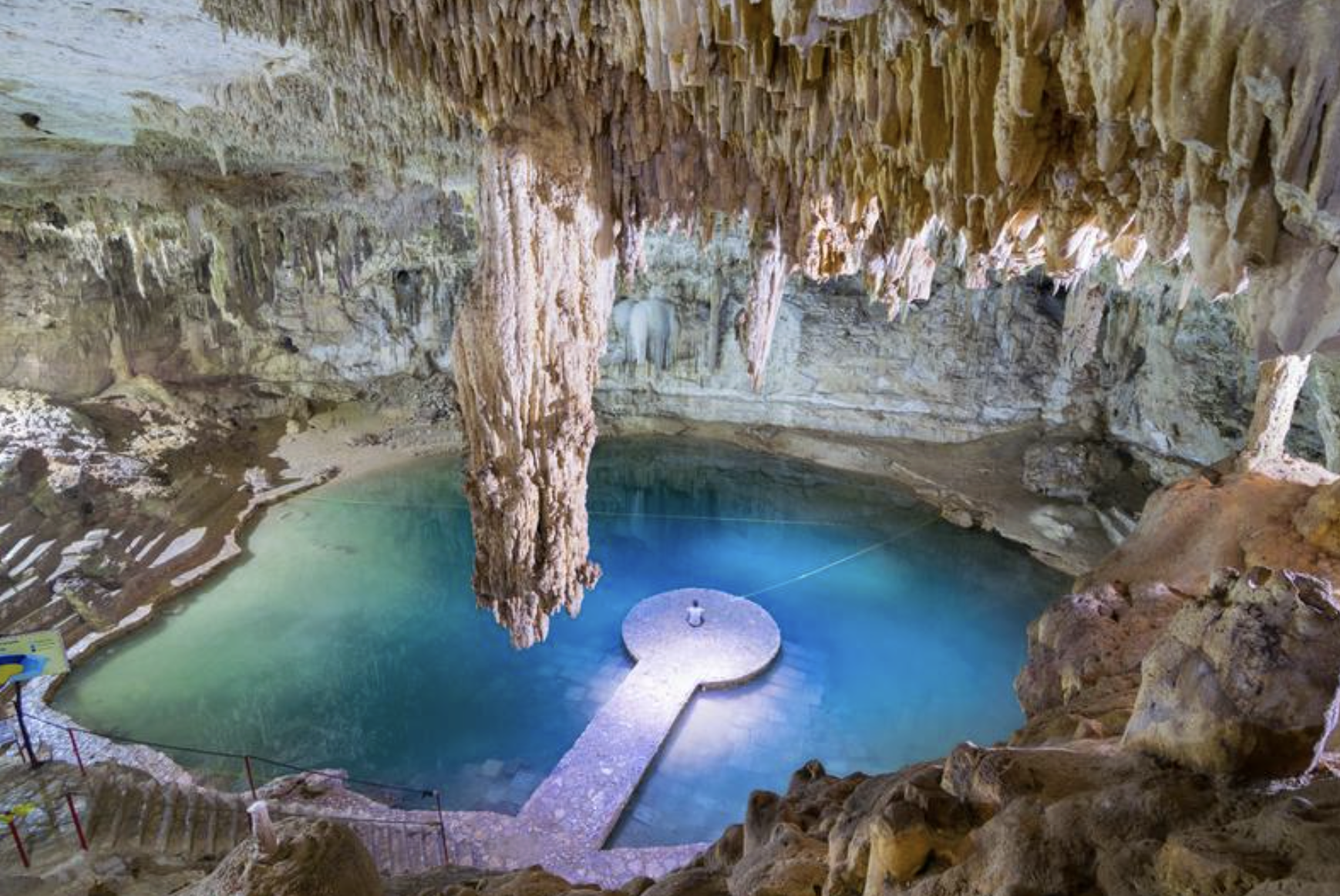
- Cave cenotes: Deep caverns hidden underground, often adorned with stalactites and stalagmites
These formations were critical sources of freshwater for the Maya, particularly in regions where rivers were scarce.
The Sacred Role of Cenotes in Mayan Culture
For the Maya, cenotes were far more than water sources. They were portals to the underworld—a place connecting the earthly realm to Xibalba, the Mayan underworld. Their significance included:
- Religious Ceremonies
Cenotes were often sites of offerings to the gods, particularly Chaac, the rain god. Rituals included placing precious items, pottery, jade, or even human sacrifices into the cenote to ensure rainfall, fertility, and prosperity. - Cosmological Symbolism
The Maya viewed cenotes as sacred doorways between worlds:- The water represented life and purification
- The cave or darkness represented the underworld
- The open sky symbolized the heavens
- Community and Survival
Cenotes were vital for drinking water, bathing, and fishing, making them central to settlement planning. Communities often flourished around these water sources, and their proximity influenced agricultural practices.
Famous Cenotes and Their Cultural Legacy
Some cenotes were especially revered in Mayan times and continue to captivate visitors today:
- Cenote Sagrado (Sacred Cenote), Chichén Itzá:
Perhaps the most famous, this cenote was a site for offerings to Chaac. Archaeological excavations have revealed gold, jade, pottery, and human remains, underscoring its ritual significance. - Cenote X’keken (Dzitnup), near Valladolid:
Known for its stunning stalactites and dramatic cave formations, X’keken demonstrates the spiritual and aesthetic allure cenotes held. - Cenote Ik Kil:
Often associated with fertility rituals and celebrations, this cenote is a popular site for tourists today, but its sacred roots remain evident.
Cenotes in Modern Mexican Culture
Today, cenotes are both natural attractions and cultural symbols. While swimming and adventure tourism bring economic value, local communities continue to honor their sacred past. Some cenotes still host ceremonies inspired by Mayan traditions, reflecting a continuity of respect for these natural portals.
Visitors are encouraged to approach cenotes with reverence:
- Avoid littering or removing stones
- Respect local rituals or restrictions
- Learn about the historical context before swimming or exploring
The Spiritual Lesson of Cenotes
Cenotes remind us of the Maya’s profound relationship with nature and the elements. These shimmering pools are more than just stunning swimming spots—they are sacred intersections of life, death, and rebirth. Through cenotes, we glimpse the Maya worldview: a deep respect for water as a source of life and a bridge between the human and divine.
Visiting Cenotes Today
The Yucatán offers cenotes for every type of traveler:
- Adventure seekers: Cave cenotes like Dos Ojos and Aktun Chen
- Families and casual swimmers: Open cenotes like Cenote Azul or Jardin del Eden
- Cultural enthusiasts: Sacred cenotes at Chichén Itzá or smaller, historically significant sites
Each visit is a chance to experience both the natural beauty and the spiritual depth that has fascinated people for centuries.
Here’s our list of the Top Cenotes Near Playa del Carmen & Riviera Maya
Cenotes are living reminders of the Maya’s ingenuity, spirituality, and connection to the natural world. When you visit, you’re not just swimming in crystal-clear waters—you’re stepping into a sacred landscape that has inspired awe and reverence for thousands of years.
About the Author
Hi, I’m Matt from Nasplaya, your go-to guide for living, investing, and thriving in Playa del Carmen and the Riviera Maya. In 2008 my husband and I quit our jobs in Boston, Massachusetts, sold everything we owned and drove to Playa del Carmen, Mexico to start North American Standards (Nasplaya), our property management, vacation rental and real estate company. Now 17+ years later, I am sharing our experience helping expats and property owners navigate the local market. I share honest insights, practical tips, and insider knowledge to make your move—or your investment—a success.
From finding the best schools and maximizing rental income to understanding local regulations and uncovering hidden gems, my goal is to give you clear, actionable advice you can trust. When I’m not exploring the beaches or scouting the newest rental opportunities, I’m sharing stories, guides, and strategies that help you make the most of life in paradise.
Follow along for expert tips, local updates, and everything you need to live, invest, and enjoy the Riviera Maya to the fullest.
North American Standards (NAS Playa)
Property Management • Rentals • Real Estate
📍 Playa del Carmen, Mexico
🌐 www.nasplaya.com 🔑 Rentals: rentals@nasplaya.com
📊 Ventas: buy@nasplaya.com 🏘 Property Management: bookings@nasplaya.com
✏️ Read the Latest from our Blog
- How to Pay Your Predial in Playa del Carmen (2026 Homeowner Guide)
- How Non-Mexican Residents Get an RFC to Pay Rental Taxes in Playa del Carmen & the Riviera Maya
- Mayan vs. Aztec — Differences, Regions, and Cultural Legacies
- The Meaning Behind Cenotes and Their Sacred Role in Mayan Culture
- Top Cenotes Near Playa del Carmen & Riviera Maya: Sacred Pools of the Maya